
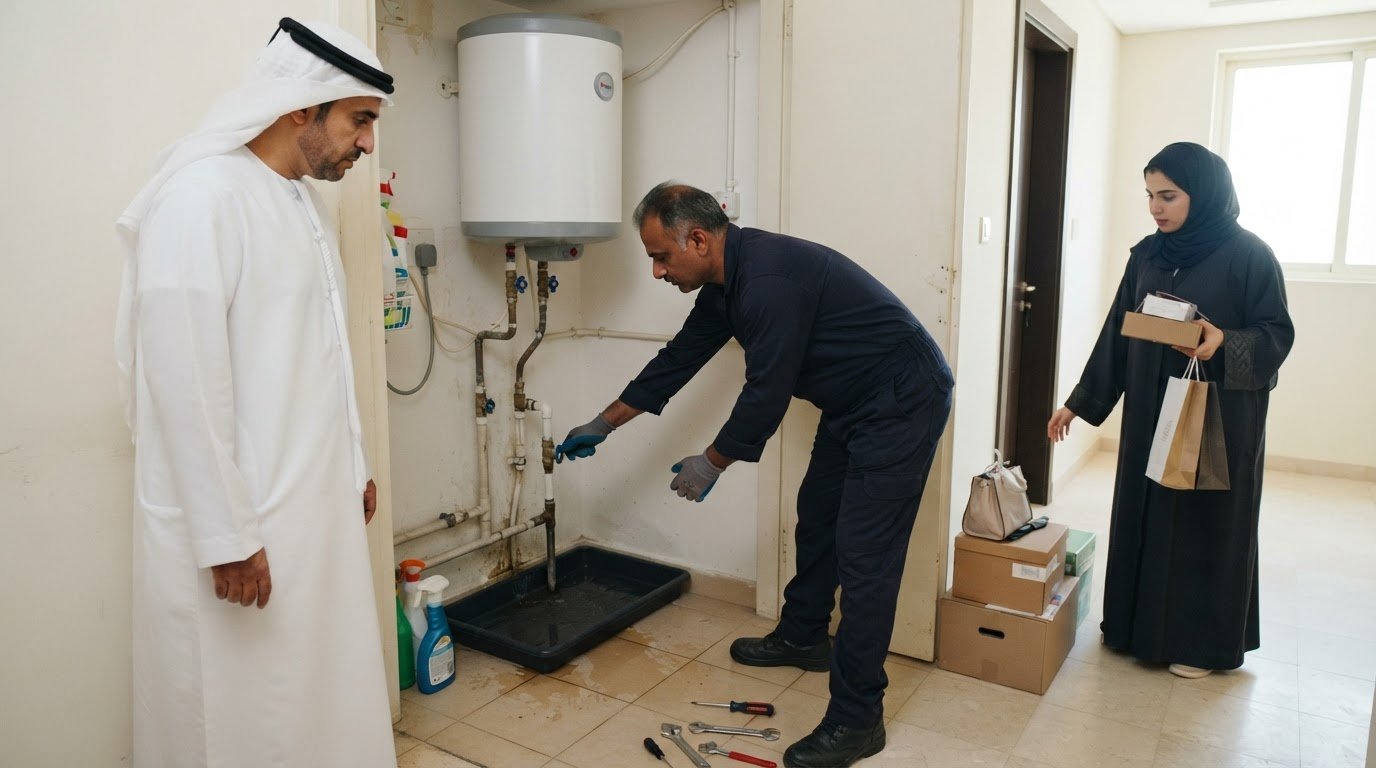
Tag: landlord responsibilities

  • Landlord guide to RERA laws Dubai: duties and rent rules

    Landlord guide to RERA laws Dubai: duties and rent rules

    Rent rules across the UAE are not simply a matter of setting a payment date and enforcing it. A practical landlord guide to RERA laws in Dubai and nationwide starts with the tenancy contract and the legal notice process: Dubai Law No. (26) of 2007 regulates landlord-tenant relationships, and according to the Dubai Legislation Portal, a landlord may seek eviction for unpaid rent if the tenant has not paid within 30 days after receiving written notification.

    As part of our national services at Takeem, landlords need to understand their responsibilities during a tenancy, how permitted rent increases are calculated, and what steps apply if a tenant does not pay or a landlord refuses rent. The right approach depends on the agreement and the rules that apply, so keep clear records and give proper notice. This landlord guide to RERA laws in Dubai explains key tenancy rules, landlord obligations, rent increases and payment disputes, helping you make informed decisions about what to do next.

    Key Takeaways

    • Understand which Dubai tenancy law governs your rental and how it shapes landlord and tenant responsibilities.
    • Learn why a written tenancy contract and Ejari registration matter for a clear rental record.
    • Use the rent-increase rules and rental index to understand whether an adjustment may be permitted.
    • Know how payment terms, written notice and the dispute process can affect rent refusal or non-payment.

    What Governs Your Rental According to Dubai Tenancy Law?

    Dubai’s rental rules govern contracts, rent adjustments and disputes. Knowing which authority handles each issue helps landlords follow the correct process.

    Dubai Rental Law and Regulatory Authorities

    Dubai Law No. (26) of 2007 regulates landlord-tenant relationships in Dubai, according to the Dubai Legislation Portal. The Real Estate Regulatory Agency (RERA) oversees rental-law implementation, while the Rental Disputes Settlement Centre (RDC) handles rental disputes. Ejari is Dubai’s system for regulating rental agreements. These roles matter: registration records the rental agreement, and the RDC is the forum for disputes rather than the rental regulator.

    Unpaid Rent Dispute Procedures

    The RDC handles disputes when a landlord and tenant cannot resolve a rental issue directly. A landlord may seek eviction if the tenant fails to pay rent within 30 days after receiving written notification, according to the Dubai Legislation Portal. Keep the tenancy agreement, payment records and written notice together to clarify the amount and timeline in dispute. The RDC aims to expedite resolution, giving parties a formal route for addressing unpaid rent.

    Smart Rental Index and Rent Increases

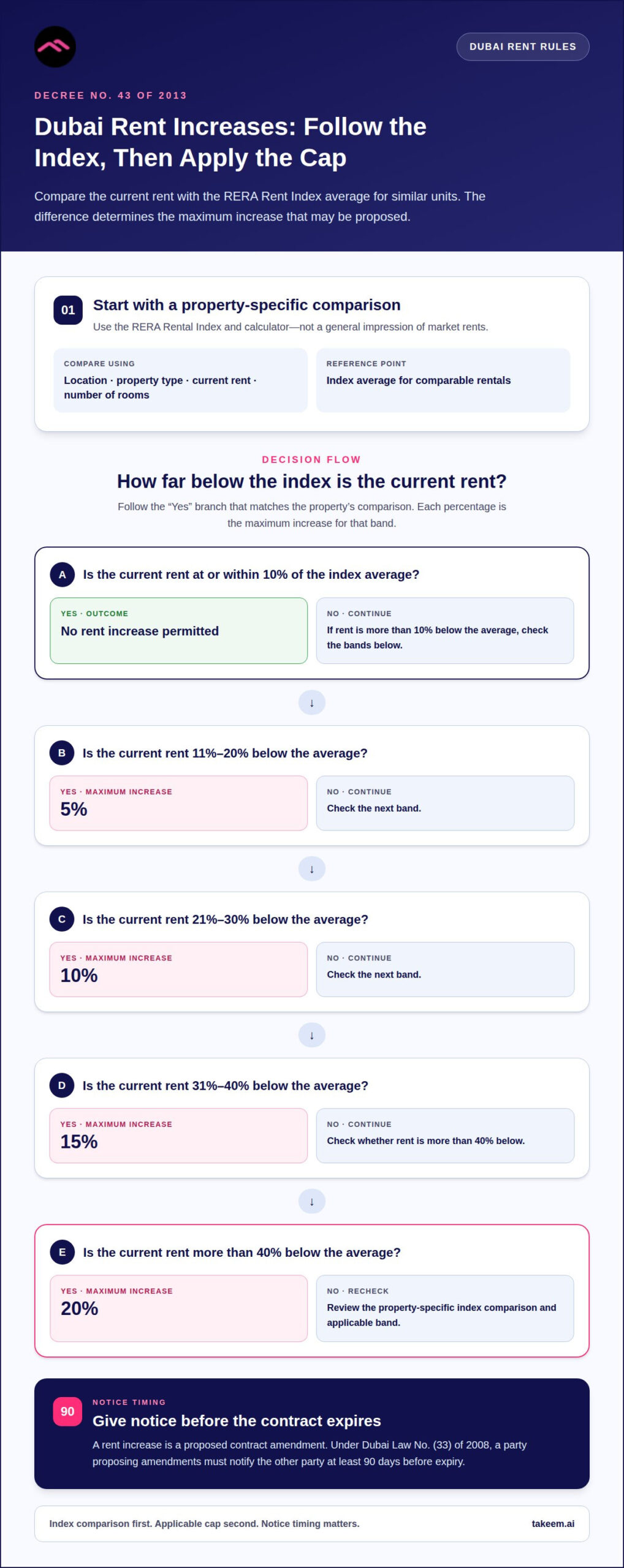
    The Smart Rental Index is part of Dubai’s rent-adjustment framework, which also references Law No. 2 of 2011. It helps place proposed rent increases against an index average for comparable rentals. If the current rent is at or within 10% of the rental index average, a landlord cannot increase it. That threshold makes the current rent’s position against the index central to assessing an adjustment.

    RERA Rental Index and Rent Calculator

    The RERA Rental Index and calculator help assess whether a rent increase may be permitted. The calculator uses the property’s location, type, current rent and number of rooms to compare the rent with the relevant index average. A general impression of market rents is not enough to establish eligibility. Using details specific to the property gives landlords and tenants a clearer basis for discussing rent at renewal.

    Landlord Obligations Dubai: What You’re On the Hook For?

    Dubai landlords must follow the written tenancy agreement and applicable tenancy legislation. The rules cover registration, property condition, rent changes and valid notices.

    Tenancy Contracts and Ejari Registration

    A written tenancy contract records the agreed rental terms, while Ejari registration records the rental agreement. Under Article 4 of Law No. (26) of 2007, a tenancy contract makes the agreement official. Registration gives both parties a clearer record of the property, rent, and contract period. Ejari registration costs approximately د.إ220.

    Landlord and Tenant Rights and Responsibilities

    Landlords must provide a property fit for living in and handle structural and major repairs under Article 16 of Law No. (26) of 2007. Article 34 protects tenants from utility disconnection or lockouts during an active tenancy. Tenants must pay rent and utilities as agreed and maintain the property. Commercial tenants may face eviction if premises remain unoccupied for 30 consecutive days or 90 non-consecutive days in a year without valid reason, unless otherwise agreed.

    Tenancy Legislation and Recent Changes

    Law No. (33) of 2008 amended Dubai’s tenancy framework under Law No. (26) of 2007. Either party proposing contract amendments must give notice at least 90 days before expiry. Filing fees are one cost to consider when pursuing a rental dispute. Ejari registration and dispute filing are separate costs. A landlord who breaches tenancy obligations may face a rental dispute handled by the RDC.

    Eviction, Renewal, and Ending Tenancies

    For specified eviction grounds, landlords must give at least 12 months’ written notice before the eviction date. The notice must be served through a Notary Public or registered mail. A valid fixed-term contract cannot be ended unilaterally during its term unless both parties agree. If a tenant remains after expiry and the landlord doesn’t object, the lease renews for another year under the same terms. For rent administration, digital rent collection can help landlords accept monthly payments.
    Landlord guide to RERA laws Dubai: duties and rent rules

    Decree No. 43 of 2013 and rent increases

    Dubai’s rent-increase rules link the permitted adjustment to how far the current rent is below the RERA Rent Index average. That difference sets the maximum increase a landlord may propose.

    Decree-Based Rent Increase Rules

    Dubai Decree No. 43 of 2013 sets maximum rent increases according to the difference between current rent and the index average for similar units. The bands limit how much landlords can propose at renewal, even when market asking rents have changed. For landlords and tenants, comparing the current rent with the relevant average is the starting point for understanding an adjustment, not simply choosing a new figure.

    The applicable band depends on the percentage by which the current rent falls below the index average, and any proposed increase must stay within that band. Comparing the figures helps both parties discuss renewal terms and avoid proposing an amount above the permitted limit.

    RERA Rent Index Bands

    The bands set four maximum increases: 5% when rent is 11% to 20% below the average, 10% when it is 21% to 30% below, and 15% when it is 31% to 40% below. When current rent is more than 40% below the average, the maximum increase is 20%.

    Apply the band to the difference from the comparable-unit average, not to a general estimate of real estate prices. For instance, a rent 25% below the average falls within the 10% maximum band. The comparison gives both parties a consistent basis for considering a renewal proposal.

    Required Rent Increase Notice

    A rent increase is a proposed contract amendment, so timing matters. Under Dubai Law No. (33) of 2008, a party proposing amendments must notify the other party at least 90 days before the contract expires. This gives landlords and tenants time to consider the change before renewal, rather than introducing it after the existing term ends.

    A tenant has 30 days to respond to a proposed rent increase. Keep the proposal and response connected to the contract’s expiry date, so both parties can follow the notice timeline. The notice and response timelines serve different purposes: one concerns raising a proposed amendment, while the other gives the tenant time to answer.

    Rent payment and refusal to accept rent

    The tenancy agreement sets the payment schedule if it specifies rent dates and instalments. If it does not state payment dates, rent is payable in four equal instalments in advance each year. Keep the signed agreement and payment records together so you can establish the agreed dates and amounts if a dispute arises.

    If a landlord refuses a payment, the parties may disagree about whether rent was offered or received. Record the date, amount and method of the attempted payment, along with any response. Keep messages, transfer records and other evidence. These details help distinguish non-payment from a dispute about accepting or processing rent.

    If the parties cannot resolve the issue, the Rental Disputes Settlement Centre handles rental disputes in Dubai. Organise the contract, payment schedule, communications and payment evidence into a clear timeline. This provides a formal route to resolve the dispute instead of relying on informal exchanges. The Dubai Land Department lists the Centre as part of Dubai’s rental-dispute framework.

    A filing fee may apply when a dispute is brought to the Centre. The usual fee is 3.5% of the disputed amount, subject to a minimum of د.إ500 and a cap of د.إ20,000. This is a dispute-filing cost, not a rent charge. Keep the disputed figure and supporting records clear when preparing the case.

    For landlords, the practical takeaway is to make the contract’s payment terms clear and preserve evidence whenever rent is offered, received or refused. A documented record supports a more focused discussion and helps explain each party’s position if settlement is needed. To digitally accept recurring monthly tenant payments, set up Direct Debit for rent collection.

    Takeem: Direct Debit setup for Landlords to digitally accept monthly payments from tenants

    Takeem provides Direct Debit setup so landlords can accept monthly tenant payments digitally. It may suit landlords seeking a digital method for recurring rent collection alongside the payment terms in their tenancy agreement. Direct Debit setup supports collection but does not change the agreement, rent due dates or Dubai’s legal notice requirements. Those remain governed by the contract and applicable tenancy rules.

    After setting clear payment terms and keeping accurate records, landlords can consider support for managing rental income. Takeem also offers a Landlord Rental Guarantee and a Rental Guarantee for Property Investors with Large property Portfolios. These are separate from Direct Debit setup.

    To discuss Direct Debit setup for tenant payments, contact Takeem.

    Make Your Next Rental Decision With Confidence

    Use this landlord guide to RERA laws in Dubai as a reference when setting up your rental processes. Consider which parts of your operation need support, such as digital rent collection or rental income protection. Takeem offers a Landlord Rental Guarantee, a Rental Guarantee for Property Investors with Large property Portfolios, and a Landlord Rental Guarantee that Agents can sell for healthy commissions.

    Each option addresses a different rental need, so consider what fits your role and portfolio. Clear payment arrangements and a suitable support model can help you approach landlord responsibilities with greater structure. For a conversation about your rental requirements, contact Takeem to discuss your rental.

    Consider your rental priorities and take the next step that best fits them.

    Frequently Asked Questions

    RERA Rental Index: How Much You Can Charge?

    The permitted increase depends on how far the current rent is below the average for comparable units. The maximum bands are 5%, 10%, 15% and 20%, with the applicable band determined by that gap. For a property-specific assessment, the rent calculator uses location, property type, current rent and number of rooms. Compare similar units before discussing a renewal figure.

    What Are RERA Tenancy Laws?

    Dubai tenancy rules govern the relationship between landlords and tenants, including contracts, property responsibilities, rent changes and disputes. A landlord guide to RERA laws in Dubai helps explain how Law No. (26) of 2007 and its amendment, Law No. (33) of 2008, apply. For example, proposed contract changes must be communicated before expiry within the required notice period. A written agreement clarifies each party’s obligations.

    What Happens If a Tenant Doesn’t Pay Rent?

    A landlord may seek eviction if rent remains unpaid 30 days after the tenant receives written notification. Keep the notice, tenancy agreement and payment history together to show the amount claimed and relevant dates. If the parties cannot resolve the disagreement, the Rental Disputes Settlement Centre handles rental disputes. A clear chronology helps distinguish missed payment from a delayed or disputed payment.

    What is the difference between DLD and RERA?

    The Dubai Land Department (DLD) established the Real Estate Regulatory Agency (RERA), which oversees the implementation of Dubai’s rental laws. RERA’s responsibilities include rental regulation and the rental index. Although their names are related, the DLD and RERA are different bodies. Understanding RERA’s regulatory role helps landlords distinguish oversight from the process for resolving a specific tenancy dispute.

    What landlords must follow?

    Landlords must meet their obligations under the tenancy contract and Dubai rental legislation. For example, Article 16 of Law No. (26) of 2007 makes landlords responsible for providing a property fit to live in and handling structural and major repairs. They must also follow applicable notice rules when proposing contract amendments or seeking eviction. Keep contract terms and formal communications consistent.

    What should you do if there is a rent problem in Dubai?

    First identify whether the issue concerns missed payment, refusal to accept rent or a disagreement about an increase. Gather the tenancy agreement, payment records and relevant written messages, then put the events in date order. This landlord guide to RERA laws in Dubai can help you understand the relevant rental process. If direct discussion does not resolve the matter, the Rental Disputes Settlement Centre handles disputes in Dubai.
  • Emergency Maintenance Cover for UAE Landlords: What Is Excluded

    Emergency Maintenance Cover for UAE Landlords: What Is Excluded

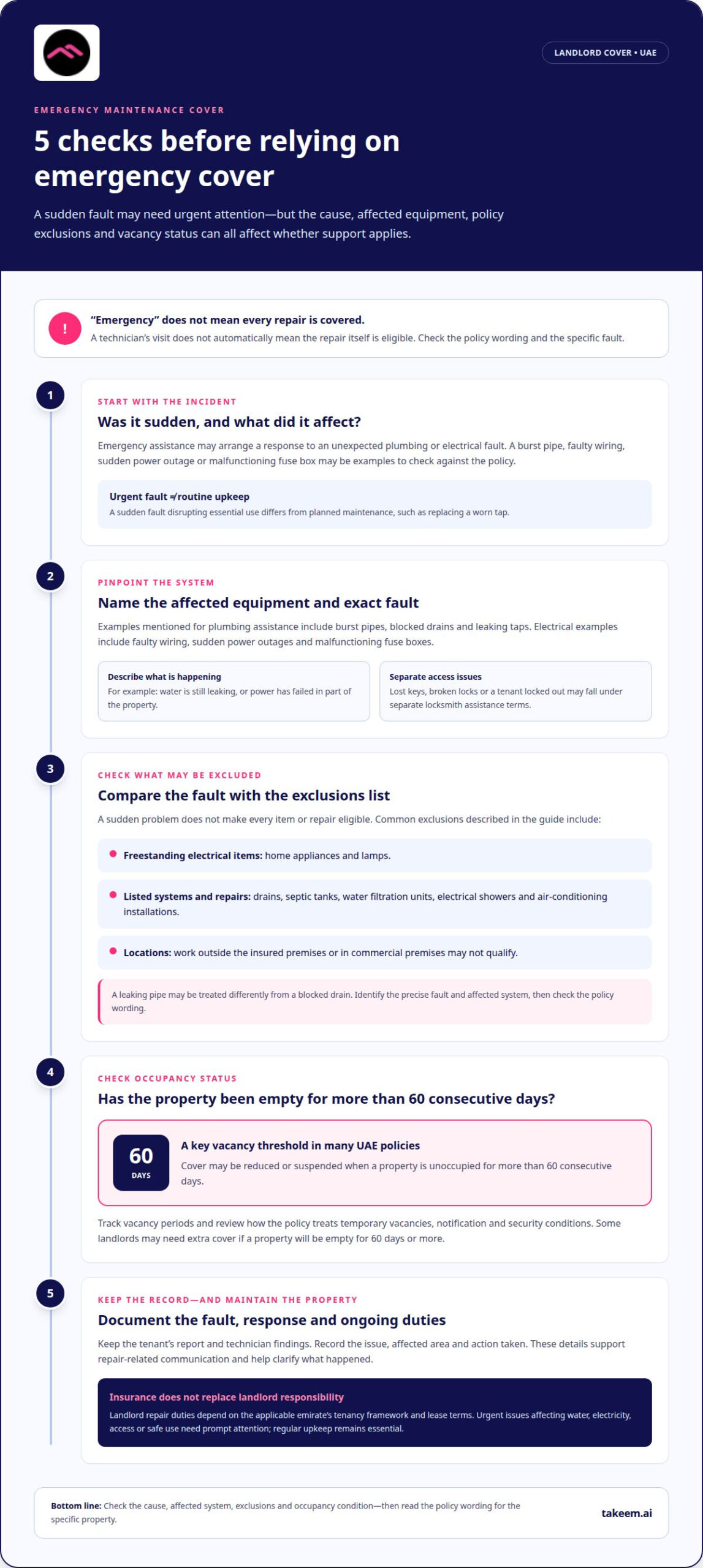
    An urgent repair can still fall outside your policy. Emergency maintenance cover for landlords in the UAE may include sudden plumbing or electrical failures, but exclusions can include home appliances, lamps, air conditioning installations and some drain repairs. Many UAE insurance policies reduce or suspend cover when a property is unoccupied for more than 60 consecutive days.

    That distinction matters: “emergency” doesn’t mean every repair is covered, and insurance doesn’t remove a landlord’s responsibility to maintain a rental property. The policy wording, cause of the fault and occupancy status can all affect what support applies.

    This guide explains which plumbing and electrical emergencies may qualify, what exclusions and vacancy conditions mean, and how landlord duties, inspections and maintenance fit together. You’ll be better equipped to understand where cover may help and where regular upkeep remains essential.

    Key Takeaways

    • Distinguish sudden plumbing or electrical failures from routine upkeep, since the cause and type of repair affect whether emergency support applies.
    • Review exclusions for the property, fixtures and systems before relying on cover for a repair.
    • Use regular property inspections to spot maintenance issues early and keep a clear record of their condition.
    • Understand how emergency support fits alongside your ongoing responsibility to maintain a safe, usable rental property.

    Emergency plumbing and electrical assistance

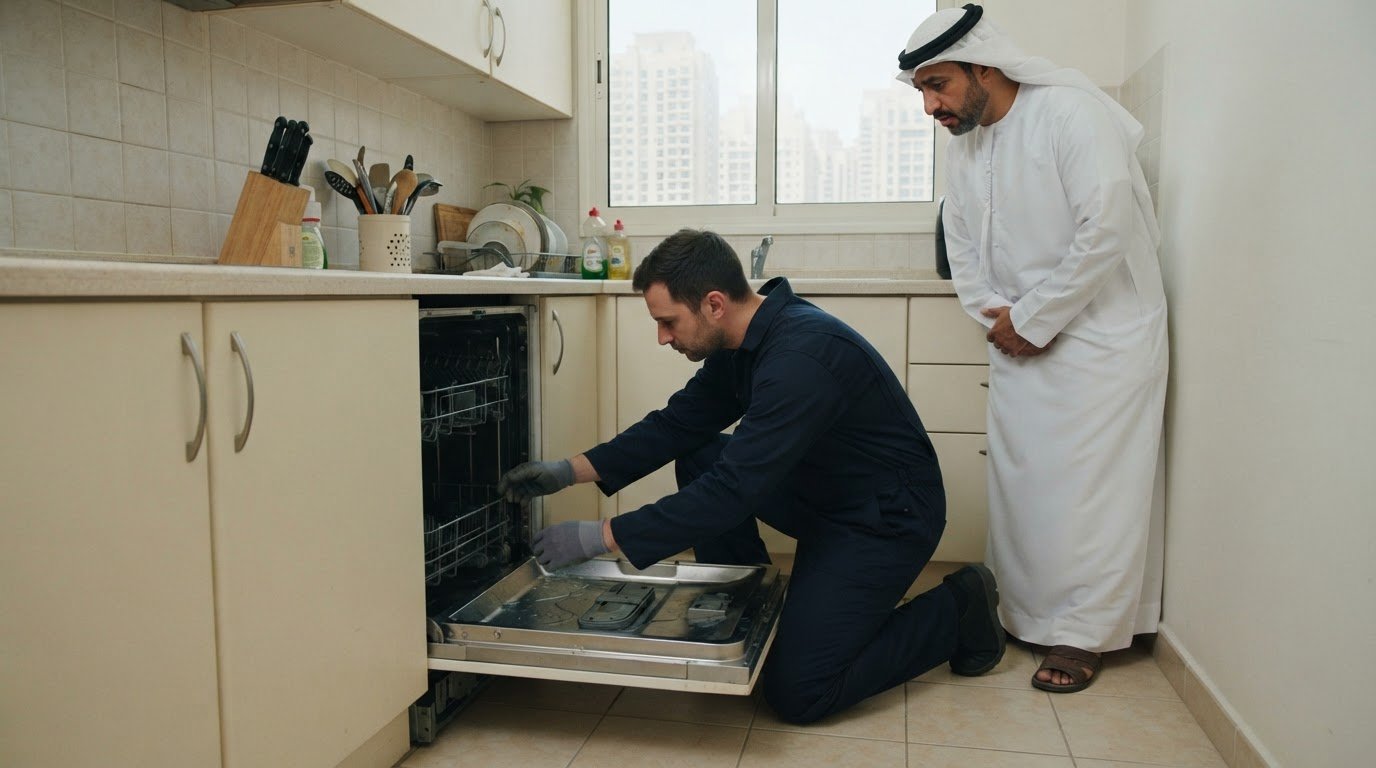
    Emergency cover may arrange help for sudden plumbing or electrical failures, such as a burst pipe or faulty wiring. The key is urgency: a sudden fault that disrupts essential use differs from routine maintenance, such as replacing a worn tap.

    Plumbing and Electrical Assistance

    Emergency plumbing and electrical assistance means arranging a response to an unexpected fault affecting water or power. A burst pipe can damage nearby surfaces, while exposed faulty wiring can pose a safety risk. Knowing which incidents may qualify helps landlords distinguish urgent repairs from planned upkeep and understand where support may apply.

    Examples include burst pipes, blocked drains and leaking taps. Electrical emergencies may involve faulty wiring, sudden power outages or malfunctioning fuse boxes. A broken appliance or lamp is different: freestanding electrical items may be excluded. The affected equipment and cause of the failure help determine whether the incident meets the policy terms.

    Emergency Callouts

    An emergency callout is a visit arranged to assess and address a sudden fault at the insured property. The professional may identify the immediate problem and carry out an emergency repair. The initial response may differ from later work needed to complete repairs or replace a system.

    When reporting a fault, describe what happened and its immediate impact. Explain, for example, whether water is still leaking or power has failed in part of the property. Keep the tenant’s report and any technician findings as incident records. These details help clarify the problem and support repair-related communication.

    Some emergency cover may also include locksmith assistance for lost keys, broken locks or a tenant locked out. Treat access problems separately from plumbing or electrical faults. A damaged entrance lock can also create a security concern if the property cannot be secured. The policy wording determines whether locksmith help is included and which circumstances qualify.

    Policy exclusions and unoccupancy limits

    Emergency cover has limits: a sudden fault does not make every repair eligible. For UAE rental properties, exclusions and vacancy conditions can determine whether a callout or claim falls within the policy.

    Common Policy Limits

    Policy limits define which properties, repairs and circumstances qualify for support. A problem inside an insured apartment may still involve an excluded system or location. Read the policy wording alongside its summary, and compare the scope and exclusions across quotes rather than assuming similar policies cover the same repairs.

    Occupancy is another key condition. Many UAE insurance policies reduce or suspend cover if a property is unoccupied for more than 60 consecutive days. A vacant apartment between tenants can therefore face different terms from a continuously occupied rental. Keep track of vacancy periods and review the policy’s unoccupancy wording before relying on emergency assistance.

    That limit concerns the property’s occupancy, not simply whether a landlord visits occasionally. For example, a unit left empty while its owner is overseas could cross the stated threshold. Some landlords may need extra cover if the property will be empty for 60 days or more. Check how the policy treats temporary vacancies and what notification or security conditions apply.

    Emergency Cover Exclusions

    Exclusions are repairs, locations or equipment a policy does not cover. A technician’s visit does not mean the repair itself is covered. Common exclusions include work outside the insured premises and work in commercial premises, even if the landlord also owns nearby apartments.

    Excluded items may include freestanding electrical equipment, such as home appliances and lamps. Listed exclusions also include repairs to drains, septic tanks, water filtration units, electrical showers and air-conditioning installations. A leaking pipe may be treated differently from a blocked drain, so identify the affected system and precise fault when reviewing the terms.

    Compare the exclusion list with the property’s actual systems and likely maintenance needs. For rental units that will be vacant, rental property maintenance support can be a useful next consideration alongside insurance terms.

    Emergency Maintenance Cover for UAE Landlords: What Is Excluded

    Dubai landlord repair responsibilities

    Landlord repair duties depend on the applicable emirate’s tenancy framework and the lease terms. Apply the requirements relevant to the property, rather than assuming one emirate’s rules apply throughout the UAE.

    Delaying an urgent repair can worsen damage, interrupt essential services or create safety and security concerns. A leak left unattended, for example, may spread and affect more of the home.

    Landlord Maintenance Responsibilities

    Landlord maintenance responsibility means addressing defects that affect a tenant’s use of the rented property. The lease and relevant local rules help determine which repairs fall to the landlord and how maintenance is handled. Separate structural concerns from routine care, then record who is responsible for each issue in the tenancy documents.

    Classify reported faults by urgency and impact. Problems affecting water, electricity, access or safe use need prompt attention; routine wear can be scheduled. For each report, document the issue, affected area and action taken. This creates a clear record for tenants, repair providers and insurers.

    Repair obligations can differ across emirates, so apply the rules that govern the property and tenancy. Don’t assume that a repair timeframe or responsibility from another emirate applies to your rental. The lease can also clarify arrangements for fixtures, appliances and routine upkeep.

    Risks of Delayed Urgent Repairs

    Delays can turn a contained fault into wider property damage. A leak may spread into flooring or walls, an electrical fault can affect safe use, and a broken entrance lock can compromise security. The consequences depend on the fault, its location and how quickly it is addressed.

    Respond to tenant reports with a documented assessment and repair plan. Record when the issue was raised, what it affects and updates from the repair provider. If essential services are disrupted, prioritize restoring them. Clear records help explain the response and distinguish the original fault from damage that developed later.

    Insurance does not replace maintenance duties. Keep repair records separate from policy documents, and use the applicable tenancy terms to guide responsibility. This supports consistent decisions across a rental portfolio without assuming every emirate follows the same procedures.

    Property inspections and emergency maintenance oversight

    Inspections help landlords spot developing faults before tenants report an emergency. A slow leak beneath a sink, for example, can be recorded and addressed before it damages nearby cabinets or flooring.

    Emergency maintenance plans arrange help for defined urgent faults, while pay-as-you-go repairs are arranged as needed. A home warranty generally focuses on listed systems or items. Compare each option’s scope, exclusions and repair process to decide what suits your property.

    Coverage depends on each plan’s terms. If you own rental properties across the UAE, check that the stated coverage applies to the relevant properties and locations rather than assuming a plan automatically covers every property nationwide.

    Use each inspection to build a clear property record. Note the date, location within the property and condition of visible systems, such as taps, sockets, air-conditioning units and door locks. Record tenant reports alongside inspection findings, then distinguish an active fault from wear that can be scheduled for routine maintenance.

    Photos can document the condition of a ceiling stain, damaged fitting or appliance during an inspection. Keep repair updates and technician findings with the same property record. This creates a timeline of tenant reports, inspection findings and subsequent action.

    Separate the building’s condition from tenant contents. A damaged fixed cabinet and a tenant’s personal appliance are different items, and policy exclusions may treat them differently. Inspection notes can also flag access or security concerns, such as a loose entrance lock, without implying that every issue qualifies for emergency cover.

    Use inspection records to track maintenance obligations and recurring faults, not as a substitute for insurance terms. Explore emergency maintenance oversight as part of a more organized approach to rental-property upkeep.

    Takeem: Landlord Rental Guarantee

    Takeem’s Landlord Rental Guarantee includes an emergency property maintenance service. For landlords considering emergency repairs alongside rental income protection, this brings maintenance support into a broader rental-focused offering.

    This may suit landlords seeking a rental guarantee that includes emergency property maintenance. Property investors with large portfolios can consider Takeem’s Rental Guarantee for Property Investors with Large property Portfolios. The maintenance service does not replace your responsibility to maintain the property or change insurance policy exclusions, so keep those terms and obligations clear.

    To discuss Takeem’s Landlord Rental Guarantee, contact Takeem or visit takeem.ai.

    Turn maintenance planning into a clear next step

    Use what you’ve learned to create a practical maintenance process for each rental property. Keep policy wording, inspection notes and repair records easy to access, so decisions start with a clear picture of the property. A considered approach to emergency maintenance cover for landlords in the UAE can help align cover with how you manage your rental portfolio.

    Takeem offers a Landlord Rental Guarantee, including an emergency property maintenance service as part of the Rental Guarantee. Agents can also sell Takeem’s Landlord Rental Guarantee for healthy commissions. If you’re considering how maintenance support fits your landlord needs, contact Takeem about landlord maintenance and explore a suitable next step.

    Thoughtful planning puts you in a stronger position to respond calmly when a property issue arises.

    Frequently Asked Questions

    What’s Not Covered?

    Cover commonly excludes work outside the insured premises, commercial premises and certain systems or equipment. For example, a fault in a freestanding lamp may be treated differently from a fault in fixed wiring. Vacancy conditions can also affect cover. Compare exclusions with the fixtures and systems in your rental, then note any gaps before relying on the policy for repairs.

    Is It Mandatory in the UAE?

    No, home insurance isn’t legally mandatory anywhere in the UAE. A mortgage lender may require property insurance for the loan’s duration, so practical requirements can depend on how you own and finance the property. Insurance requirements also differ from maintenance responsibilities: plan for repairs separately rather than treating a policy as a substitute for upkeep.

    What does landlord emergency cover include?

    Landlord emergency cover may arrange assistance for sudden plumbing or electrical failures, and some plans may include locksmith help. The policy defines eligible incidents and areas of the property. A sudden fault affecting a fixed system, for instance, may be treated differently from a tenant’s appliance. Distinguish emergency assistance from insurance for damage to the building, contents or rental income.

    What happens if I need to make a claim?

    Notify your insurance provider about the issue or damage when making an emergency home insurance claim. Clearly explain when the problem began, which areas it affects and what steps you took to limit further damage. Keep dated photos, tenant messages and technician findings together. These records help explain the event and distinguish the original fault from later damage.

    What does emergency maintenance cover for landlords in the UAE include?

    Emergency maintenance cover for landlords in the UAE may include help arranging urgent plumbing or electrical repairs, with locksmith assistance available under some plans. It is designed for sudden problems, not every maintenance task. When comparing options, check which systems and premises qualify, how vacancy is treated, and whether the arrangement covers assistance, repair work or both.

    What counts as an emergency under UAE landlord maintenance contracts?

    An emergency is generally a sudden fault requiring prompt attention to address safety, security or essential use of the property. A burst pipe or electrical failure may fit that description; repainting a room or replacing a worn fitting is usually planned maintenance. The contract sets the boundary, so describe the fault and its immediate impact clearly when reporting it.